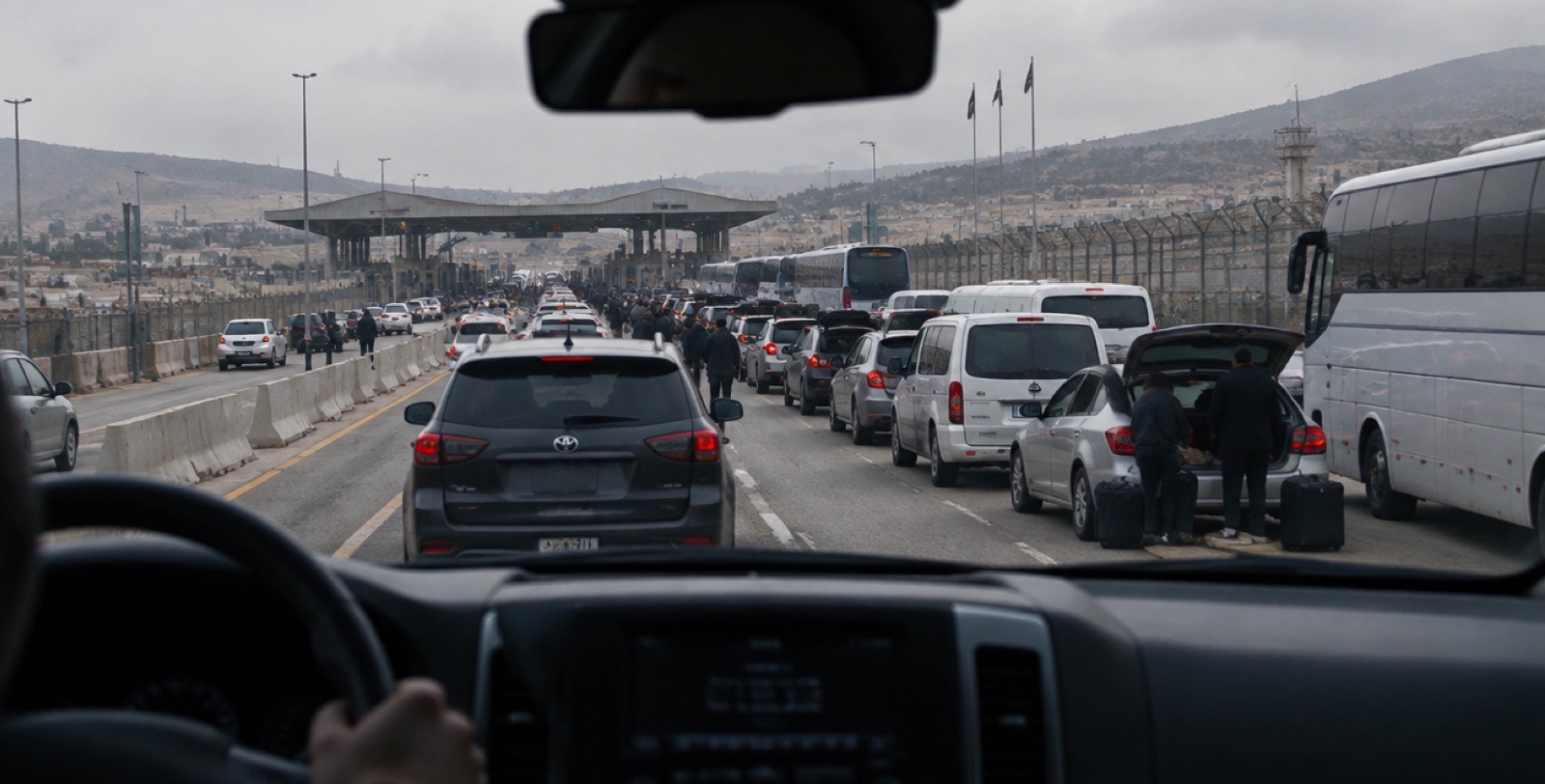
Although the sound of explosions and the threat of violence provoke intense fear in many societies, others who have lived through prolonged war or conflict often respond very differently. In regions where war becomes a long-term reality, danger can shift from being shocking and unfamiliar to something expected, even routine. This difference in reaction raises an important question: how do people adapt psychologically to constant threat, and why does fear diminish in some contexts?
Habituation and Psychological Adaptation
One key explanation comes from habituation, a process studied in Psychology. With repeated exposure to frightening stimuli, such as explosions or air raid sirens, emotional responses gradually weaken. What once triggered panic may come to produce only mild concern or even indifference.
Researchers describe this as a form of defensive adaptation. It is not that people stop recognizing danger, but rather that their minds adjust in order to function. Without this adaptation, constant fear would make everyday life impossible. Over time, the brain prioritizes survival by reducing overwhelming emotional reactions, allowing individuals to continue working, caring for family members, and maintaining some sense of normalcy.
This process is also examined in Neuroscience, where repeated stress can reshape how threats are processed. In some cases, this leads to desensitization, with individuals reacting less strongly than those encountering danger for the first time.
Social and Cultural Coping Mechanisms
Beyond biological adaptation, social and cultural practices play a crucial role in how communities respond to fear. In war-affected regions such as Syria and Iraq, families often relied on shared coping strategies to manage constant stress.
Practices like prayer provide a sense of control and emotional stability in situations that feel unpredictable. Dark humor serves a different but equally important function, allowing individuals to release tension and regain a sense of psychological distance from danger. At the same time, strong family and community bonds reduce fear by distributing it; what is faced together feels more bearable than what is faced alone.
Meaning, Belief, and the Interpretation of Danger
These coping practices are not only behavioral, they reflect a deeper layer of interpretation: how societies assign meaning to danger and death. Fear itself is also shaped by interpretation, influenced by how people understand and make sense of what is happening around them.
In some societies, death in war is not seen purely as loss, but as sacrifice, honor, or even fulfillment of a higher purpose. In others, it is viewed primarily as tragedy and destruction. These interpretations shape how individuals emotionally respond to danger. When death is framed as meaningful, fear may be softened; when it is seen as senseless, fear can intensify.
Belief systems, cultural narratives, and collective identity all contribute to this framing. When individuals feel part of a shared struggle or believe their suffering serves a purpose, they are often better able to endure ongoing threats. In this sense, resilience is not only psychological, it is also social and symbolic.
Are People Truly Unaffected?
Despite this adaptation, it would be misleading to assume that people living in war conditions are unharmed. Studies conducted during the war in Ukraine show that prolonged exposure to conflict significantly increases anxiety and negatively affects overall mental health. These pressures often manifest physically, through symptoms such as persistent headaches, fatigue, and unexplained pain, common signs of chronic stress.
Long-term effects are also evident in survivors of the Vietnam War, where early exposure to violence and loss has been linked to greater emotional vulnerability later in life. Such findings suggest that even when individuals appear resilient, the impact of war may persist beneath the surface for years.
Resilience Is Not a Trait, It’s a Process
The patterns observed across different war-affected societies point to a broader conclusion: resilience is not something people simply “have” or “lack.” As research in Psychology suggests, it is a dynamic process shaped over time by environment, relationships, and lived experience.
Responses to war are therefore not fixed. A person may appear composed and functional during conflict, yet struggle years later. Conversely, someone who initially experiences intense fear may gradually adapt and regain stability. In this sense, reactions to danger unfold across different phases, immediate, short-term, and long-term, rather than remaining constant.
Survival Through Partial Adaptation
Ultimately, people in war zones are neither untouched by fear nor entirely defined by it. Instead, they exist in a state of partial adaptation, learning to function amid ongoing danger while still carrying its psychological weight.
This adaptation allows life to continue, but never fully removes the presence of fear, it only reshapes it.